Define the gathering's purpose
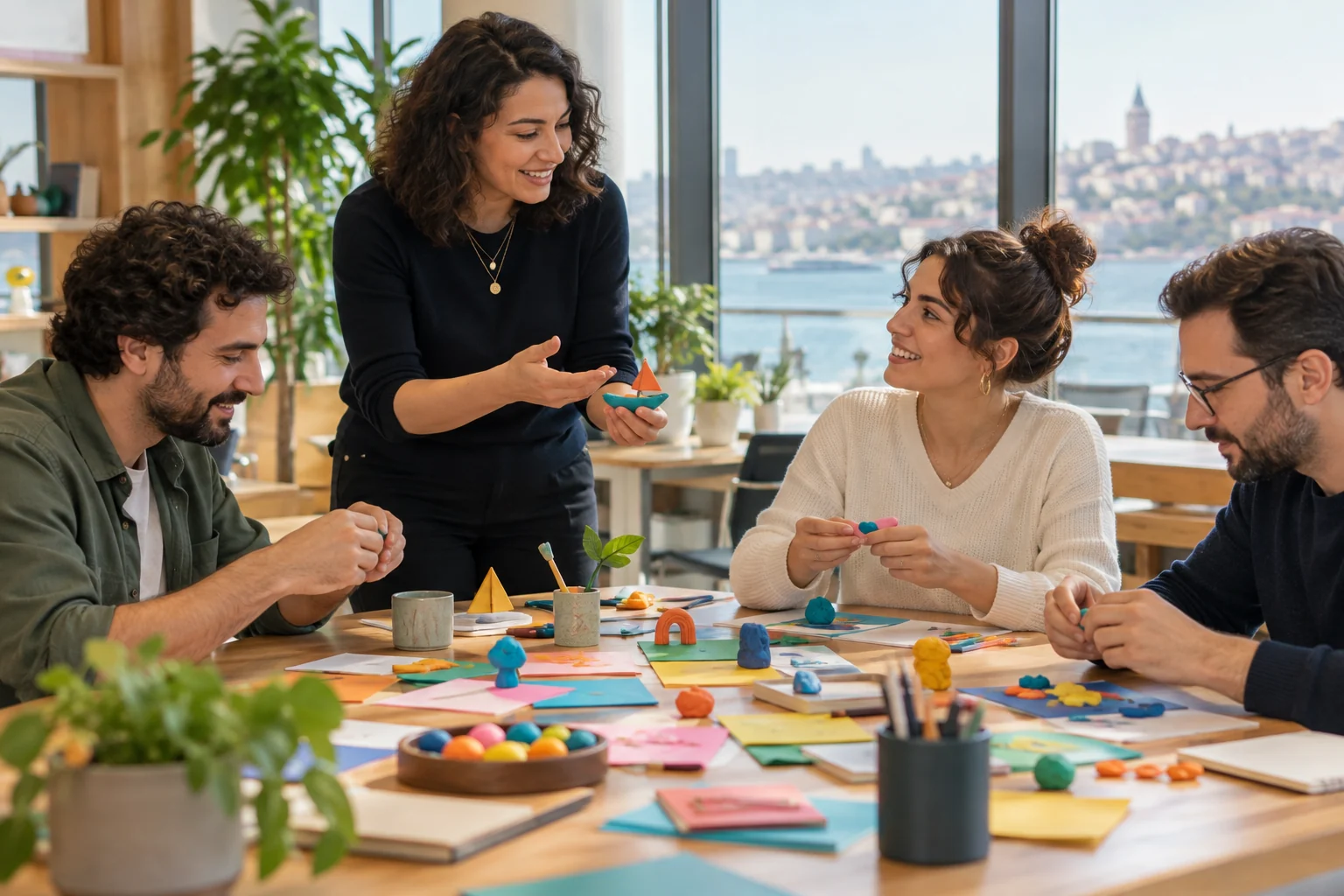
A newly formed team, a year-end celebration and a project close do not need identical content. Decide whether the aim is getting acquainted, making something together or enjoying a break. Agreement between HR, organisers and department managers makes selection easier.
A shared task or individual creativity?
Roller Coaster, motorway-building and engineering-style activities involve a common task. Mandala, fragrance or hero-figure design can allow more personal choice, while rhythm offers collective creation. Consider participation habits as well as popularity.
Consider different participants
Experience, age and physical participation preferences vary within a team. Competition or a display of skill can leave some people behind. Discuss voluntary sharing, different roles and accessible options with the facilitator.
- Check whether prior skills are needed.
- Announce movement, sound or fragrance elements.
- Consider allowing people to observe.
- Match group size to the activity method.
Respect space and time limits
Tabletop creation needs seating and materials; team courses may need more room. Protect tables for painting and allow drying time; fragrance activities require appropriate ventilation. Plan transitions if food or stage activities share the area.
Review the experience together
Choosing the best finished product is not the only form of evaluation. Ask what people enjoyed and what they would change next time. Follow participation and sharing rather than promising that one workshop will solve team problems.